Blog

  • Paleo Stuffed Bell Peppers with Ground Turkey

    Stuffed bell peppers are one of those meals that look like you spent an hour in the kitchen but actually come together in about 40 minutes. Colorful. Filling. A complete dinner in a single pepper.

    This paleo version swaps out rice for cauliflower rice, uses ground turkey as the protein base, and loads in fresh vegetables and spices for a meal that clocks in under 350 calories per serving. I make these at least twice a month because they are one of the few dinners my entire family agrees on. Even my picky 8-year-old eats them without complaint. That alone makes this recipe worth sharing.

    Prep time: 15 minutes | Cook time: 30 minutes | Servings: 4 (2 pepper halves each)

    What Makes These Peppers Paleo?

    Traditional stuffed peppers use white rice, cheese, and sometimes breadcrumbs — none of which are paleo. This recipe replaces the rice with riced cauliflower, skips the cheese entirely (though nutritional yeast adds a similar savory note), and uses clean seasonings instead of pre-made spice packets that often contain sugar or maltodextrin.

    The filling is straightforward: ground turkey, cauliflower rice, diced tomatoes, onion, garlic, and a simple spice blend. Nothing weird. Nothing hard to find. Everything available at a regular grocery store.

    What Do You Need?

    • 4 large bell peppers (use different colors — red, yellow, orange, green — for a better presentation and slightly different flavors)
    • 1 pound ground turkey
    • 2 cups riced cauliflower (fresh or frozen, both work)
    • 1 can (14.5 oz) diced tomatoes, drained
    • 1 small onion, diced
    • 3 cloves garlic, minced
    • 1 tablespoon avocado oil
    • 1 tablespoon tomato paste
    • 1 teaspoon cumin
    • 1 teaspoon smoked paprika
    • 1/2 teaspoon oregano
    • 1/2 teaspoon chili powder
    • Salt and pepper to taste
    • Fresh cilantro or parsley for garnish (optional)

    About the bell peppers: red and orange peppers are sweeter than green ones. I usually do a mix. Green peppers have a slightly bitter edge that balances the savory filling well. Use whatever you find at the store — this recipe is forgiving.

    How Do You Make Them?

    Cook the filling on the stovetop, stuff the peppers, and bake for 20 minutes at 375°F. That is the short version. Here are the details:

    1. Prep the peppers. Preheat oven to 375°F (190°C). Cut the bell peppers in half lengthwise. Remove the seeds and membranes. Place the halves cut-side up in a baking dish. I line mine with parchment paper for easier cleanup.
    2. Pre-bake the peppers. Pop the empty pepper halves in the oven for 10 minutes. This softens them slightly so they cook evenly with the filling. Skip this step and you end up with crunchy peppers and overcooked filling. I learned that one the hard way.
    3. Cook the filling. While the peppers pre-bake, heat avocado oil in a large skillet over medium-high heat. Add the diced onion and cook for 3–4 minutes until soft. Add the garlic and cook for 30 seconds.
    4. Brown the turkey. Add the ground turkey to the skillet. Break it up with a wooden spoon and cook until no pink remains, about 5–6 minutes. Drain any excess liquid.
    5. Add the rest. Stir in the cauliflower rice, drained diced tomatoes, tomato paste, and all the spices. Cook for another 3–4 minutes until the cauliflower rice is tender and everything is well combined.
    6. Stuff and bake. Remove the peppers from the oven. Spoon the filling generously into each pepper half, pressing down gently to pack it in. Mound it a little on top. Return to the oven and bake for 20 minutes.
    7. Garnish and serve. Top with fresh cilantro or parsley if you like. Serve hot.

    Can You Swap the Ground Turkey?

    Absolutely. Ground beef, bison, or chicken all work as direct substitutes without changing anything else in the recipe. Ground beef gives a richer, fattier result. Bison is leaner and has a slightly gamey taste that I personally love but not everyone does. Ground chicken is the mildest option.

    For a completely different flavor profile, try ground lamb with a teaspoon of cinnamon and a pinch of allspice instead of the cumin. It gives the peppers a Mediterranean feel that pairs well with a side of Caesar salad.

    What Should You Serve Alongside?

    These peppers are a full meal on their own, but sometimes you want a little more on the plate. Good pairings:

    • Simple green salad with olive oil and lemon
    • Roasted sweet potato wedges — sweet and savory together
    • Sweet potato nachos — go all out and make it a feast
    • Avocado slices — the healthy fat rounds out the meal

    If you have leftover filling (it happens), it makes a solid next-day lunch bowl. Just throw it over greens or eat it straight. I have eaten it cold out of the container standing in front of the refrigerator at 11pm. No regrets.

    Can You Meal Prep These?

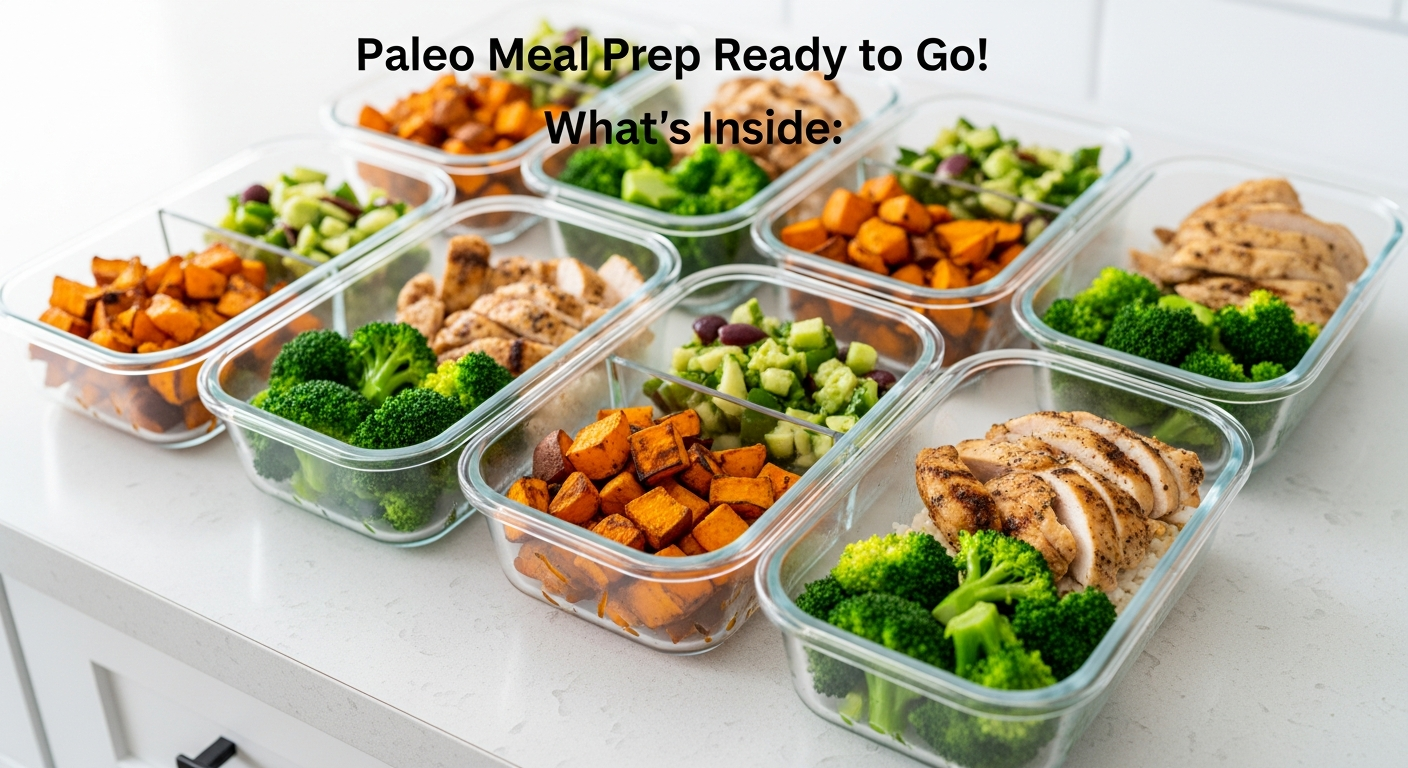
    Yes, and they are actually one of the best paleo meal prep options out there. Assemble the stuffed peppers in a baking dish, cover tightly with foil, and refrigerate for up to 2 days before baking. When ready, just add 5 extra minutes to the bake time since they are starting cold.

    Already-baked peppers keep in the fridge for 3–4 days. Reheat in the oven at 350°F for 10–12 minutes, or microwave for 2 minutes if you are in a rush. The oven gives better texture, but honestly both methods work fine.

    Freezing works too. Wrap each baked pepper half individually in foil, then place them all in a freezer bag. Good for up to 2 months. Thaw overnight in the fridge before reheating. I usually make a double batch specifically to freeze half.

    Rough Nutritional Info

    Per serving (2 stuffed pepper halves):

    • Calories: ~320
    • Fat: ~14g
    • Carbs: ~18g
    • Fiber: ~5g
    • Protein: ~30g
    • Sodium: ~420mg

    High protein, moderate fat, low-ish carbs. The kind of macro balance that keeps you full for hours without the post-dinner slump. This is the sort of meal that makes paleo feel sustainable long-term, not like a restrictive diet you are white-knuckling through.

    Quick Tips

    • Do not skip the pre-bake. Ten minutes in the oven transforms the peppers from raw and crunchy to perfectly tender.
    • Pack the filling tight. Loose filling falls apart when you try to eat it. Press it down.
    • Use a muffin tin if your peppers keep tipping over in the baking dish. Each pepper half fits perfectly in a muffin cup and stays upright.
    • Top with something saucy — a spoonful of salsa, hot sauce, or even a homemade BBQ sauce takes these from great to outstanding. The orange chicken sauce works surprisingly well here too.

    This recipe has been in heavy rotation at our house since fall 2020. It checks every box: quick enough for a Tuesday night, impressive enough for company, and the leftovers are just as good the next day. Hard to ask for more than that from a weeknight dinner.

  • Garlic Cauliflower Mash: The Best Paleo Potato Substitute

    Mashed potatoes are comfort food royalty. Creamy, buttery, warm. Also not paleo. White potatoes are one of those gray-area foods that most strict paleo followers avoid, and honestly the glycemic spike is not worth it when a better option exists.

    Garlic cauliflower mash is that better option — it is creamy, rich, and when made correctly, even potato lovers will reach for seconds. I have served this to skeptics at dinner parties and watched them ask for the recipe. The secret is getting the cauliflower really dry before mashing and using ghee instead of butter.

    Is Cauliflower Mash Actually Good?

    Yes, but only if you do it right. Bad cauliflower mash is watery and tastes like sad vegetables. Good cauliflower mash is thick, velvety, and rich with garlic and ghee. The difference comes down to technique, not ingredients.

    The biggest mistake people make is not removing enough moisture from the cooked cauliflower. Cauliflower holds a lot of water. If you just boil it and mash, you get soup. Not what we want. I will show you exactly how to fix that below.

    What Do You Need?

    Six ingredients. That is it. Simple food done well beats complicated food done poorly every single time.

    • 1 large head cauliflower (about 2 pounds), cut into florets
    • 3 tablespoons ghee
    • 4 cloves garlic, minced
    • 2 tablespoons nutritional yeast (optional, but adds a cheesy flavor)
    • 1/2 teaspoon sea salt
    • 1/4 teaspoon black pepper

    Ghee is clarified butter with the milk solids removed, so it is paleo-friendly. It gives the mash that rich buttery flavor without any dairy proteins. If you tolerate regular butter and do not care about strict paleo, that works too. No judgment from me.

    How Do You Make It Creamy (Not Watery)?

    The trick is steaming instead of boiling, then letting the cauliflower sit in a dry pan for 2 minutes to evaporate excess moisture. This single step transforms the dish. Here is the full process:

    1. Steam the cauliflower. Place florets in a steamer basket over boiling water. Cover and steam for 12–15 minutes until very tender. A fork should slide through with zero resistance.
    2. Dry it out. Transfer the steamed cauliflower to a large dry skillet over medium heat. Stir it around for 2–3 minutes. You will see steam rising off the cauliflower. That is the moisture leaving. This step is crucial. I forgot it once early on and ended up with cauliflower soup. Not terrible, but not mash either.
    3. Cook the garlic. In a small pan, melt the ghee over medium-low heat. Add the minced garlic and cook for about 90 seconds, stirring constantly. You want it fragrant and barely golden, not brown. Burnt garlic is bitter garlic.
    4. Mash. Add the dried cauliflower, garlic ghee, nutritional yeast, salt, and pepper to a food processor. Pulse 8–10 times, then blend for about 30 seconds until smooth. You want it creamy but still with a tiny bit of texture. Over-processing makes it gummy.
    5. Taste and adjust. More salt? More garlic? A bit more ghee? This is your mash. Make it how you like it.

    If you do not have a food processor, a potato masher works fine. The texture will be chunkier, more rustic. Some people prefer it that way.

    How Does It Compare to Real Mashed Potatoes?

    Honestly? It is lighter and less starchy, but the garlic and ghee give it enough richness that you do not feel like you are missing out. Here is a side-by-side comparison:

    • Calories: Cauliflower mash has roughly 90 calories per cup vs. 240 for mashed potatoes
    • Carbs: About 8g per cup vs. 35g for potatoes. That is a massive difference.
    • Fiber: Cauliflower actually wins here with 3g vs. 2g
    • Potassium: Potatoes win this one. They have about twice the potassium.
    • Taste: Different, not worse. The garlic and ghee do the heavy lifting.

    Will it fool someone into thinking it is actual mashed potatoes? Probably not. Does it scratch the same itch at a holiday dinner or alongside a hearty beef stew? Absolutely.

    What Should You Serve It With?

    This mash works as a side for almost any protein-heavy main dish. A few combinations I keep coming back to:

    Can You Make It Ahead of Time?

    Yes, and it reheats well for up to 4 days in the fridge. Store it in an airtight container. When reheating, add a tablespoon of ghee or a splash of almond milk to bring back the creamy texture. Microwave works, but stovetop reheating over low heat with a lid gives better results.

    I would not recommend freezing it. Cauliflower mash gets grainy after thawing. I tried. It was not great.

    Variations to Keep It Interesting

    The basic recipe is a solid foundation, but you can take it in a lot of different directions.

    Loaded mash: Top with crumbled bacon, chopped chives, and a drizzle of extra ghee. This is the one I make most often.

    Roasted garlic version: Instead of sautéing raw garlic, roast a whole head of garlic in the oven at 400°F for 35 minutes. Squeeze out the soft cloves and mash them in. Completely different flavor — deeper, sweeter, less sharp. Takes longer but worth it for a special meal.

    Herb mash: Stir in 2 tablespoons of fresh chopped rosemary and thyme after mashing. Goes especially well with lamb.

    Cheesy (dairy-free): Add an extra tablespoon of nutritional yeast plus a teaspoon of Dijon mustard. Sounds odd. Tastes surprisingly close to cheddar mash.

    Rough Nutritional Info

    Per 1-cup serving (recipe makes about 4 servings):

    • Calories: ~120
    • Fat: ~9g (mostly from ghee)
    • Carbs: ~8g
    • Fiber: ~3g
    • Protein: ~4g
    • Sodium: ~300mg

    Light enough to eat a generous portion without feeling weighed down. That is one of the real advantages over traditional mashed potatoes — you can have a full cup and still feel good afterward, not sluggish.

    This has become one of those recipes I do not even think about anymore. It just happens on autopilot whenever I need a quick side dish. Ten minutes of active work, and you have got something that makes any main course feel more complete. Grab some grilled chicken alongside it and dinner is sorted.

  • Paleo BBQ Sauce: Smoky, Sweet and Sugar-Free

    Good barbecue sauce makes everything better. Ribs. Pulled pork. A plain chicken breast that needs saving. But most store-bought BBQ sauces are loaded with refined sugar, high-fructose corn syrup, soy sauce, and artificial flavors. Not exactly paleo-friendly.

    This homemade paleo BBQ sauce uses Medjool dates, coconut aminos, and tomato paste to deliver that deep smoky-sweet flavor without any of the junk. I have made this dozens of times since switching to paleo in 2019, and it holds up against any bottled sauce I have ever tried. Takes about 20 minutes from start to finish.

    Why Make Your Own BBQ Sauce?

    Because the ingredient list on commercial BBQ sauce reads like a chemistry experiment. Even the „natural“ brands often sneak in cane sugar, soybean oil, or caramel color. When you make it at home, you control every single ingredient. You know exactly what goes into your body.

    Plus, homemade sauce tastes better. That is not opinion. Once you try a from-scratch version with real tomatoes and actual spices, the bottled stuff tastes flat and overly sweet by comparison. My husband was skeptical at first. He is not skeptical anymore.

    What Do You Need for Paleo BBQ Sauce?

    The base is tomato paste, coconut aminos, and apple cider vinegar — three pantry staples that create the perfect sweet-tangy-savory foundation. Here is the full ingredient list:

    • 6 oz tomato paste (one small can)
    • 3 Medjool dates, pitted and soaked in hot water for 10 minutes
    • 1/4 cup coconut aminos
    • 2 tablespoons apple cider vinegar
    • 1 tablespoon avocado oil
    • 1 teaspoon smoked paprika
    • 1 teaspoon garlic powder
    • 1/2 teaspoon onion powder
    • 1/2 teaspoon chili powder (adjust to taste)
    • 1/4 teaspoon black pepper
    • 1/4 teaspoon sea salt
    • 1/3 cup water

    Coconut aminos replace soy sauce perfectly here. They add that umami depth without the soy or gluten. If you have never used them before, grab a bottle — you will use it in everything from chicken fajitas to stir-fries.

    How Do You Make It?

    Blend the soaked dates with water until smooth, then simmer everything together for 15 minutes. Here are the steps:

    1. Soak the dates. Drop the pitted Medjool dates into a small bowl of hot water. Let them sit for 10 minutes until soft. Drain, but keep about 2 tablespoons of the soaking water.
    2. Blend the dates. Add the softened dates and the reserved soaking water to a blender or food processor. Blend until you get a smooth paste. It does not need to be perfectly silky — small bits are fine and honestly add character.
    3. Combine everything. In a small saucepan over medium heat, add the avocado oil. Once warm, add the tomato paste and stir for about a minute until it darkens slightly.
    4. Add the liquids. Pour in the coconut aminos, apple cider vinegar, date paste, water, and all the spices. Stir well.
    5. Simmer. Bring to a gentle bubble, then reduce heat to low. Let it simmer for 12–15 minutes, stirring occasionally. The sauce will thicken as it cooks.
    6. Taste and adjust. Need more heat? Add a pinch of cayenne. Want it sweeter? Half a date blended in does the trick. I usually add a tiny bit more salt at this stage.
    7. Cool and store. Let the sauce cool completely. Transfer to a glass jar.

    How Long Does It Last?

    About 10 days in the fridge, stored in a sealed glass jar. You can also freeze it in ice cube trays for up to 3 months. I like to make a double batch and freeze half, so I always have some on hand for quick weeknight dinners.

    The sauce thickens more as it chills. That is normal. Just stir in a splash of water when you reheat it and it loosens right back up.

    What Can You Use It On?

    Pretty much anything that needs a smoky kick. Here are my favorites:

    • Grilled chicken — brush it on during the last few minutes of cooking so it caramelizes without burning
    • Slow cooker pulled pork — dump half a jar in with a pork shoulder and let it do its thing for 8 hours
    • Beef stew — stir a spoonful into the pot for extra depth
    • Sweet potato nachos — drizzle it on top instead of regular nacho sauce
    • Roasted vegetables — toss cauliflower or Brussels sprouts in it before roasting

    Variations Worth Trying

    Swap the spices around to create completely different flavor profiles.

    Spicy version: Add 1 teaspoon of chipotle powder and a finely diced jalapeño. This turns up the heat significantly. Fair warning.

    Mustard BBQ (Carolina-style): Replace half the tomato paste with yellow mustard. It sounds weird. It works ridiculously well with pork.

    Tropical twist: Blend in 1/4 cup of fresh pineapple with the dates. The acidity from the pineapple brightens the whole sauce and pairs perfectly with orange chicken.

    Rough Nutritional Info

    Per 2-tablespoon serving (recipe makes about 1.5 cups, or roughly 12 servings):

    • Calories: ~35
    • Fat: ~1g
    • Carbs: ~7g
    • Sugar: ~4g (all from dates and tomatoes)
    • Protein: ~1g
    • Sodium: ~150mg

    Compare that to a typical store-bought BBQ sauce at 50–70 calories and 12–16g of sugar per serving. Big difference.

    Tips From Someone Who Has Burned a Lot of Sauce

    A few things I learned the hard way so you do not have to:

    • Do not skip soaking the dates. I tried blending them dry once. The blender did not appreciate it, and neither did the final texture.
    • Low and slow on the simmer. High heat will scorch the tomato paste and make the sauce bitter. Keep it gentle.
    • Tomato paste quality matters. The stuff in a tube tends to be more concentrated and flavorful than the canned version. Worth the extra dollar.
    • Use it on chicken tikka masala leftovers. Seriously. Cold tikka chicken with warm BBQ sauce. Strange but addictive.

    This sauce has become a staple in our kitchen. I make a fresh batch almost every other week, and it disappears fast. Once you realize how simple it is to make BBQ sauce from scratch, you probably will not go back to the bottled stuff.

  • Schnelles Paleo-Frühstück: 5 Rezepte unter 10 Minuten

    Morgens muss es schnell gehen. Diese fünf Paleo-Frühstücksrezepte sind in weniger als 10 Minuten zubereitet und halten bis zum Mittagessen satt.

    1. Rührei mit Avocado

    Drei Eier verquirlen, in Kokosöl braten und mit einer halben Avocado servieren. Dazu Kirschtomaten und frische Kräuter. Fertig in 5 Minuten.

    2. Beeren-Smoothie mit Kokosmilch

    Gefrorene Beeren, Kokosmilch und eine Banane in den Mixer geben. Optional ein Esslöffel Mandelmus für extra Protein. In 3 Minuten trinkfertig.

    3. Süßkartoffel-Toast

    Süßkartoffel in dünne Scheiben schneiden und im Toaster rösten. Mit Mandelbutter und Bananenscheiben belegen. Ein leckerer Brot-Ersatz.

    4. Nuss-Trail-Mix

    Mandeln, Walnüsse, Cashews, Kürbiskerne und getrocknete Cranberries mischen. Am Vorabend vorbereiten und morgens mitnehmen.

    5. Spiegelei auf Gemüsepfanne

    Paprika und Zucchini in Würfel schneiden, kurz anbraten und ein Spiegelei daraufsetzen. Deckel drauf, 3 Minuten warten. Perfekt.

  • Paleo-Ernährung für Einsteiger: So startest du richtig

    Die Paleo-Diät orientiert sich an der Ernährung unserer Vorfahren aus der Steinzeit. Fleisch, Fisch, Gemüse, Obst, Nüsse und Samen stehen auf dem Speiseplan. Getreide, Milchprodukte und verarbeitete Lebensmittel werden gemieden.

    Was darf ich essen?

    Die Basis bilden hochwertiges Fleisch (am besten aus Weidehaltung), wild gefangener Fisch, saisonales Gemüse, Obst in Maßen, Nüsse und gesunde Fette wie Olivenöl und Kokosöl. Eier sind ebenfalls ein fester Bestandteil.

    Was wird vermieden?

    Getreide (Weizen, Roggen, Hafer), Hülsenfrüchte (Bohnen, Linsen, Erdnüsse), Milchprodukte, raffinierter Zucker und industriell verarbeitete Lebensmittel stehen nicht auf dem Paleo-Speiseplan.

    Mein Tipp für den Anfang

    Starte nicht mit einem radikalen Umstieg. Ersetze zunächst eine Mahlzeit am Tag durch eine Paleo-Alternative. So gewöhnst du dich schrittweise an die neue Ernährungsweise und vermeidest Frustration.

  • Paleo Caesar Salad with Grilled Chicken

    Ein klassischer Caesar Salad – nur ohne Parmesan, Croutons und das übliche Dressing mit Worcestershire und Sardellen aus der Tube. Diese Paleo-Version überzeugt trotzdem mit dem typisch cremig-würzigen Geschmack, dank Cashew-Creme und Nährhefe.

    Zutaten (2 große Portionen)

    Gegrilltes Hähnchen

    • 2 Hähnchenbrustfilets
    • 1 EL Olivenöl
    • Salz, Pfeffer, Knoblauchpulver

    Paleo Caesar Dressing

    • 80 g Cashewkerne (2 Stunden in Wasser eingeweicht, abgetropft)
    • 3 EL Olivenöl
    • 2 EL Zitronensaft
    • 1 EL Dijon-Senf
    • 2 Knoblauchzehen
    • 2 EL Nährhefe (nutritional yeast)
    • 1 Sardellenfilet (optional, aber empfohlen)
    • 3-4 EL Wasser (für die Konsistenz)
    • Salz und Pfeffer

    Salat und Toppings

    • 2 Köpfe Romana-Salat
    • 2 Scheiben Speck, knusprig gebraten und zerbröselt
    • 2 EL Pinienkerne, geröstet

    Zubereitung

    1. Dressing: Alle Zutaten für das Dressing in einen Mixer geben und cremig pürieren. Bei Bedarf mehr Wasser für eine dünnere Konsistenz dazugeben. 30 Minuten im Kühlschrank durchziehen lassen.
    2. Hähnchen: Filets mit Olivenöl einreiben und würzen. In einer Grillpfanne oder auf dem Grill bei hoher Hitze 5-6 Minuten pro Seite grillen. 5 Minuten ruhen lassen, dann in Streifen schneiden.
    3. Salat: Romana-Herzen längs halbieren oder in mundgerechte Stücke reißen.
    4. Salat mit Dressing vermengen. Auf Tellern anrichten, Hähnchenstreifen darauf verteilen. Mit Speck und Pinienkernen bestreuen.

    Zum Dressing

    Das Cashew-Dressing hält sich im Kühlschrank 4-5 Tage. Es dickt über Nacht etwas ein – einfach mit einem Schuss Wasser wieder verdünnen. Die Nährhefe bringt den würzig-käsigen Geschmack, den man sonst vom Parmesan kennt.

    Nährwerte pro Portion (ca.): 520 kcal | 32 g Fett | 14 g Kohlenhydrate | 45 g Protein

  • Paleo Sweet Potato Nachos

    Nachos komplett ohne Mais-Chips? Mit dünn geschnittenen, knusprig gebackenen Süßkartoffelscheiben als Basis klappt das hervorragend. Beladen mit gewürztem Hackfleisch, Guacamole und Salsa werden sie zum Highlight auf jedem Spieleabend.

    Zutaten (4 Portionen als Snack)

    Süßkartoffel-Chips

    • 3 große Süßkartoffeln
    • 3 EL Olivenöl
    • 1 TL Paprikapulver
    • ½ TL Knoblauchpulver
    • Salz

    Hackfleisch-Topping

    • 400 g Rinderhackfleisch
    • 1 EL Kokosöl
    • 1 TL Kreuzkümmel
    • 1 TL Chilipulver
    • ½ TL Knoblauchpulver
    • Salz und Pfeffer

    Toppings

    • 1 reife Avocado (als Guacamole)
    • Frische Salsa oder gewürfelte Tomaten
    • Frischer Koriander
    • Jalapeño-Scheiben
    • Limettenspalten

    Zubereitung

    1. Backofen auf 200 °C vorheizen.
    2. Süßkartoffeln in dünne Scheiben schneiden (ca. 3 mm, am besten mit Mandoline). In einer Schüssel mit Olivenöl, Paprika, Knoblauchpulver und Salz vermengen.
    3. Auf zwei mit Backpapier belegten Blechen in einer Lage verteilen. 15 Minuten backen, wenden, weitere 10 Minuten backen bis knusprig. Die Ränder dürfen ruhig leicht dunkel werden.
    4. Währenddessen: Kokosöl in einer Pfanne erhitzen, Hackfleisch krümelig anbraten. Gewürze einrühren und 5 Minuten mitbraten.
    5. Avocado mit Limettensaft und Salz zu Guacamole verarbeiten.
    6. Süßkartoffel-Chips auf einer großen Platte anrichten. Hackfleisch darüber verteilen, dann Guacamole, Salsa, Koriander und Jalapeños obendrauf.
    7. Sofort servieren – die Chips bleiben so am knusprigsten.

    Varianten

    • Vegetarisch: Statt Hackfleisch schwarze Bohnen nehmen (nicht streng Paleo, aber Primal-tauglich).
    • Noch knuspriger: Süßkartoffelscheiben nach dem Backen 2 Minuten unter den Grill schieben.
    • Meal Prep: Chips und Fleisch getrennt vorbereiten, erst beim Servieren zusammensetzen.

    Nährwerte pro Portion (ca.): 445 kcal | 24 g Fett | 32 g Kohlenhydrate | 25 g Protein

  • Paleo Shrimp Scampi with Zucchini Noodles

    Shrimp Scampi in Knoblauch-Zitronenbutter auf Zucchini-Nudeln – ein leichtes Sommeressen, das in unter 20 Minuten auf dem Tisch steht. Statt Pasta verwenden wir Zoodles, die überraschend gut mit der buttrigen Sauce harmonieren.

    Zutaten (3-4 Portionen)

    Für die Garnelen

    • 500 g große Garnelen, geschält und entdarmt
    • 4 EL Ghee (oder Kokosöl)
    • 6 Knoblauchzehen, fein geschnitten
    • 150 ml trockener Weißwein (oder Hühnerbrühe)
    • Saft von 2 Zitronen
    • Abrieb von 1 Bio-Zitrone
    • ¼ TL Chiliflocken
    • Salz und Pfeffer
    • 3 EL frische Petersilie, gehackt

    Für die Zoodles

    • 4 mittelgroße Zucchini
    • 1 EL Olivenöl
    • Prise Salz

    Zubereitung

    1. Zucchini mit einem Spiralschneider zu Nudeln verarbeiten. Falls kein Spiralschneider vorhanden: mit dem Sparschäler lange Bänder schneiden.
    2. Garnelen mit Salz und Pfeffer würzen.
    3. 2 EL Ghee in einer großen Pfanne bei hoher Hitze erhitzen. Garnelen in einer Lage hineingeben und 1-2 Minuten pro Seite braten, bis sie rosa sind. Herausnehmen.
    4. Restliches Ghee in die Pfanne geben. Knoblauch bei mittlerer Hitze goldgelb braten (ca. 1 Minute, nicht verbrennen!).
    5. Weißwein angießen und um die Hälfte einkochen lassen (2-3 Minuten).
    6. Zitronensaft und -abrieb sowie Chiliflocken einrühren.
    7. Garnelen zurück in die Pfanne geben und in der Sauce schwenken.
    8. In einer zweiten Pfanne: Olivenöl erhitzen, Zoodles 2-3 Minuten anbraten. Nicht zu lange, sie sollen bissfest bleiben.
    9. Zoodles auf Tellern verteilen, Garnelen mit Sauce darüber geben, mit Petersilie bestreuen.

    Warum Zoodles nicht matschig werden

    Der häufigste Fehler bei Zucchini-Nudeln: zu lange kochen. Maximal 2-3 Minuten bei hoher Hitze in der Pfanne schwenken. Alternativ roh servieren – die warme Sauce gart sie leicht an, und sie bleiben schön knackig.

    Nährwerte pro Portion (ca.): 310 kcal | 16 g Fett | 10 g Kohlenhydrate | 30 g Protein

  • Paleo Beef Stew

    Ein herzhafter Rindfleisch-Eintopf, der stundenlang vor sich hin köchelt und das ganze Haus duften lässt. Süßkartoffeln ersetzen die klassischen Kartoffeln, und statt Mehl zum Andicken verwenden wir Pfeilwurzelstärke.

    Zutaten (6 Portionen)

    • 800 g Rindergulasch (Schulter oder Wade)
    • 3 EL Olivenöl oder Schmalz
    • 2 große Süßkartoffeln, gewürfelt
    • 3 Karotten, in Scheiben
    • 2 Stangen Sellerie, gewürfelt
    • 1 große Zwiebel, gewürfelt
    • 4 Knoblauchzehen, gehackt
    • 500 ml Rinderbrühe (selbstgemacht oder ohne Zusätze)
    • 400 g Tomaten (Dose), stückig
    • 2 EL Tomatenmark
    • 2 Lorbeerblätter
    • 1 TL Thymian (getrocknet)
    • 1 TL Rosmarin (getrocknet)
    • 2 EL Pfeilwurzelstärke + 3 EL Wasser
    • Salz und Pfeffer
    • Frische Petersilie zum Garnieren

    Zubereitung

    1. Rindfleisch trocken tupfen und mit Salz und Pfeffer würzen.
    2. Olivenöl in einem großen Topf oder Schmortopf stark erhitzen. Fleisch in Portionen scharf anbraten, bis es rundum gebräunt ist. Herausnehmen und beiseite stellen.
    3. Im selben Topf Zwiebel und Knoblauch 3-4 Minuten andünsten. Tomatenmark einrühren und 1 Minute mitrösten.
    4. Fleisch zurückgeben. Rinderbrühe, Tomaten, Lorbeerblätter, Thymian und Rosmarin dazugeben. Aufkochen.
    5. Hitze reduzieren, Deckel auflegen und 1,5 Stunden köcheln lassen.
    6. Süßkartoffeln, Karotten und Sellerie hinzufügen. Weitere 45 Minuten köcheln, bis das Gemüse gar und das Fleisch zart ist.
    7. Pfeilwurzelstärke mit Wasser anrühren und in den Eintopf einrühren. 5 Minuten weiterkochen, bis die Sauce andickt.
    8. Lorbeerblätter entfernen, mit Petersilie garnieren und servieren.

    Slow-Cooker-Variante

    Alle Zutaten (außer Pfeilwurzelstärke) in den Slow Cooker geben. 8 Stunden auf LOW oder 4-5 Stunden auf HIGH. Die Stärke in den letzten 30 Minuten einrühren.

    Nährwerte pro Portion (ca.): 380 kcal | 14 g Fett | 28 g Kohlenhydrate | 35 g Protein

  • Paleo Coconut Peppermint Patties

    Diese selbstgemachten Peppermint Patties sind ein Traum: cremige Kokosfüllung mit frischem Pfefferminzgeschmack, umhüllt von dunkler Schokolade. Nur 5 Zutaten, kein Backen nötig, und sie halten sich im Kühlschrank über eine Woche.

    Zutaten (ca. 15 Stück)

    Für die Füllung

    • 200 g Kokosmus (Kokosbutter), zimmerwarm
    • 2 EL Kokosöl, geschmolzen
    • 2 EL Honig
    • ¾ TL reines Pfefferminzöl (Lebensmittelqualität)

    Für die Schokoladenhülle

    • 200 g dunkle Schokolade (mind. 70% Kakao, milchfrei)
    • 1 EL Kokosöl

    Zubereitung

    1. Kokosmus, geschmolzenes Kokosöl, Honig und Pfefferminzöl in einer Schüssel glatt verrühren.
    2. Die Masse in Frischhaltefolie wickeln und 30 Minuten im Kühlschrank fest werden lassen.
    3. Mit den Händen kleine, flache Scheiben formen (ca. 3 cm Durchmesser). Auf ein mit Backpapier belegtes Brett legen.
    4. Nochmals 20 Minuten in den Gefrierschrank stellen, bis die Patties richtig fest sind.
    5. Schokolade mit Kokosöl im Wasserbad schmelzen und gut verrühren.
    6. Jeden Patty mit einer Gabel in die Schokolade tauchen, überschüssige Schokolade abtropfen lassen und zurück auf das Backpapier setzen.
    7. Im Kühlschrank fest werden lassen (ca. 15 Minuten).

    Häufige Fragen

    Kann ich Kokosmus selbst machen?
    Ja, einfach Kokosraspeln 10-15 Minuten im Hochleistungsmixer pürieren, bis eine cremige Butter entsteht. Geduld ist hier der Schlüssel.

    Wie lange halten die Patties?
    Im Kühlschrank bis zu 10 Tage, im Gefrierschrank bis zu 3 Monate. Vor dem Essen 5 Minuten bei Raumtemperatur stehen lassen.

    Die Schokolade wird nicht fest – was tun?
    Darauf achten, dass kein Wasser in die Schokolade kommt (auch kein Dampf vom Wasserbad). Schokolade mit zu wenig Kakaoanteil wird ebenfalls nicht richtig fest.

    Nährwerte pro Patty (ca.): 165 kcal | 13 g Fett | 10 g Kohlenhydrate | 2 g Protein